What Occurs When a Garage Door Falls Short in Severe Winds
A garage door looks ordinary right up until the climate turns terrible. Then it turns into one of one of the most crucial moving components in the building envelope. In severe winds, specifically throughout whirlwind conditions, an unsuccessful garage door is hardly ever just a local repair task. It can change the pressure inside a home, lift cladding, damage ceilings, and send debris via locations that were never ever indicated to take that kind of force.
On the Gold Shore and throughout other cyclone-prone parts of Queensland, this is not a theoretical risk. It belongs to the design conversation. Garage doors are large openings in a wall surface, and if they are not built, installed, maintained, and serviced to the ideal requirement, they can be the weak point that lets the weather condition in. Once that occurs, the damages often moves promptly from the garage to the rest of the building.
The garage door is not simply a door
A lot of individuals think of the garage door as a panel that maintains cars protected and rainfall off the devices. That is true in fair weather, yet in extreme winds the garage door acts even more like a structural barrier. It needs to resist pressure from the outside while remaining secured into the structure, with tracks, springs, cable televisions, fasteners, and the opener all doing their part.
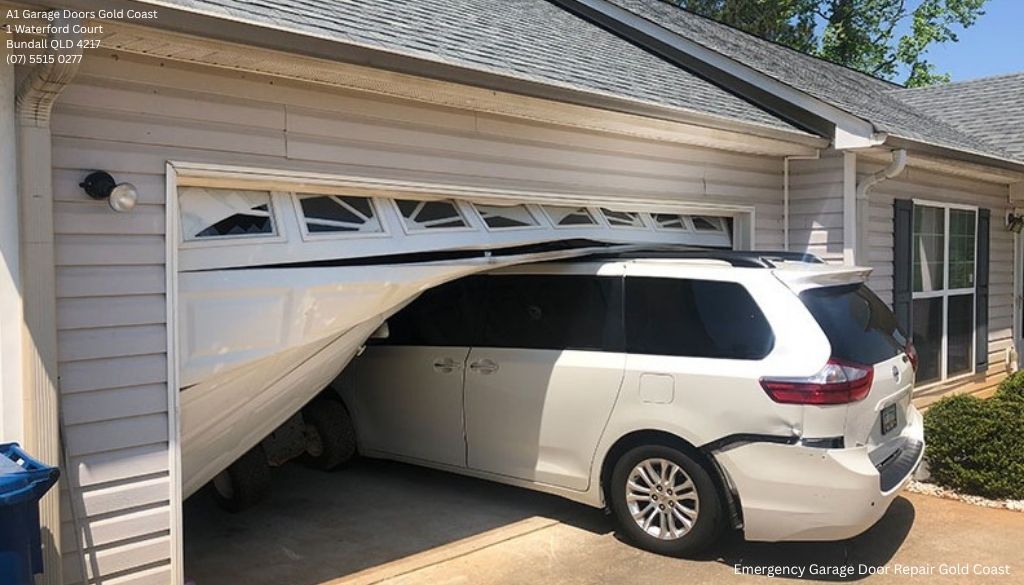
When the door fails, the consequences can spread quick. Queensland government assistance has actually made this level for several years: garage-door failure can cause serious damages to walls, ceilings, roofing system cladding, and components. It can additionally create dangerous wind-borne particles. That last point matters greater than individuals expect. Once a door disintegrate or is ripped away, the sheets, panels, sections, and equipment can come to be airborne hazards.
In an extreme wind event, the door does not require to be totally ruined to create trouble. Sometimes the failing begins with a solitary point, such as the track coming loose, a springtime shedding stress, or a section bending sufficient that the door no longer seals. That small failing can allow wind enter the garage, pressurise the area, and drive the following stage of damage.
What really takes place when winds obtain under a garage door
The sequence is typically awful because it is mechanical and physical, not steady. If wind forces its means inside, the garage becomes a chamber. Stress constructs. The door can bow, vibrate, or pop out of its guides. If the door is already old, rusty, poorly serviced, or otherwise fit to the wind area, the margin disappears quickly.
People usually visualize the garage itself taking the complete effect. In method, the more comprehensive structure is what pays for the failure. When wind stress changes inside your house, roofing system parts and wall surface linings are a lot more vulnerable. Ceiling materials can droop or fail. Roof cladding can loosen. Materials in the garage, including storage devices and tools, can be harmed by both wind and water intrusion.
There is likewise a hazardous second result. A busted door can release debris that strikes windows, neighbouring building, or cars. In storm conditions, that ends up being a safety problem as long as a residential or commercial property issue. I have seen situations where the actual door damage was only the beginning, and the costly part was whatever the wind did after the opening was compromised.
Why compliance issues before the wind arrives
Garage doors in Queensland are not judged by uncertainty in cyclone-prone locations. The relevant requirement is AS/NZS 4505, and Queensland Federal government advice specifies that doors mounted in influenced locations given that 2012 need to meet the wind-rated criterion. Older doors may not have adequate toughness for cyclonic winds, also if they looked penalty for years in typical weather.
That distinction is very important. A garage door can work perfectly on a tranquil street for a long period of time and still be a poor fit for severe wind exposure. Compliance is not simply a documents problem. It is a proxy for whether the door was made and installed with the neighborhood hazard in mind.
This is where garage door requirements come to be more than a technical expression. Standards Australia notes that Australian Specifications are voluntary unless referenced by legislation. As soon as referenced by regulation or regulation, they can become mandatory. In Queensland, building needs rest within a framework that consists of the National Building Code, the Queensland Development Code, the Structure Act 1975, and the Structure Law 2021. For homeowners and residential or commercial property managers, that implies the pertinent standard is not something to treat as optional recommendations if the residential property remains in a wind-rated area.
A door that was installed before the existing demand may still be functional in an everyday sense, but that is not the like being suitable for severe wind. That void matters most when the weather becomes extreme.
The age of the door informs only part of the story
Older doors are not immediately risky, yet they should have scrutiny. Some have actually had repairs, electric motor upgrades, or hardware adjustments for many years. Others have simply matured right into a problem where deterioration, fatigue, or poor upkeep has lowered their performance. A door that has actually seen coastal air, repeated storms, and years of daily use will not behave like a fresh installation.
This is one reason fixing decisions are not constantly uncomplicated. A broken panel or curved track may appear like an easy solution, however if the door is currently outside its valuable wind-performance envelope, substitute might be the a lot more sensible alternative. That is specifically true in revealed locations where weather loading is a recurring problem, not a once-in-a-decade event.
In practical terms, a property owner requires to ask 2 inquiries. First, is the door still doing as made? Second, also if it is working now, is it the best door for the current conformity and risk account of the home? Those are not identical questions.
Repair, replacement, and the point where caution wins
There is a difference in between a repair work that brings back procedure and a repair that restores strength. A door can occasionally be made to open up and shut once again after an issue, but that does not always imply it awaits serious winds.
This is where industrial garage door repair work and expert residential job share the very same logic. The auto mechanic has to look past the evident fault. Springs, cords, rollers, tracks, fasteners, hinges, and garage door resource motor elements all matter. If the failing was triggered by impact, rust, water access, or repeated stress, the damages can prolong past what shows up at a glance.
A great professional will also take into consideration whether the existing door kind is appropriate. The Gold Coastline market frequently compares roller, sectional, and tilt doors, and each has its very own staminas and trade-offs. Roller doors can be small and sensible, sectional doors can offer a much more polished fit and far better insulation choices, and tilt doors have their very own operating features. However none of those categories is immune to wind performance issues. The crucial concern is not the style alone, it is whether the installed item is rated, kept, and suitable for the location.
If a door has already failed in wind, substitute can be the cleaner remedy, specifically if there is corrosion, duplicated service background, or obsolete equipment. Fixing may buy time, yet it is not always chain-drive opener the most effective threat decision.
The covert role of maintenance
An unusual number of garage door failures are not dramatic initially. They start silently. A springtime loses performance. A cable television frays. A track drifts out of placement. The opener begins to stress. The door still works, so the trouble gets ignored.
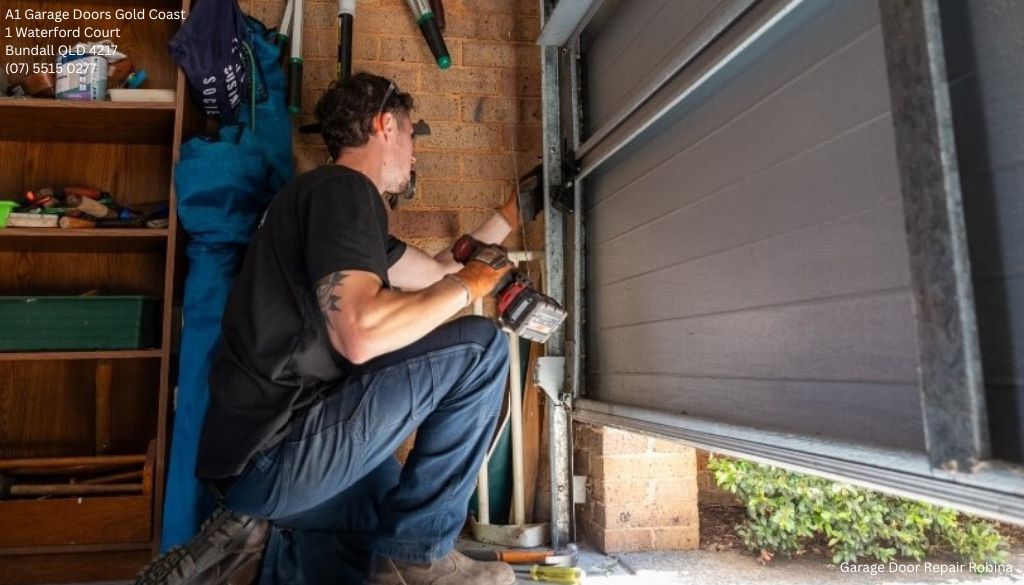
Regular professional servicing is one of the easiest ways to lower that threat. Gliderol's upkeep assistance states panel doors need to be oiled every 3 to 6 months and serviced every 2 years, with more regular interest for seaside buildings. That is a functional pointer, not marketing fluff. Salt air, humidity, and day-to-day wear shorten the life of moving parts. On the coastline, rust prevention is not optional house cleaning, it becomes part of keeping the door usable.
Service periods likewise matter for warranty protection. Gliderol notes that failure to follow authorised maintenance periods might impact warranty security, especially for motorised components. B&D similarly specifies that some household garage doors and openers purchased together can bring a 10-year Overall Self-confidence Warranty, yet only if the system is serviced within the initial 12 months and after that at least every 2 years.
That tells you something crucial regarding modern garage-door systems. Producers expect upkeep. They build it into the item life process due to the fact that they recognize springtimes, motors, remotes, and safety and security systems do not remain trustworthy forever without attention.
The opener becomes part of the weather condition tale too
When individuals consider wind damages, they typically concentrate on the door fallen leave itself. The opener matters too. If the opener detaches from the door, or if the door is not effectively engaged, the system may not act as expected under stress and anxiety. B&D's troubleshooting assistance also notes that some typical problems can be as basic as a reduced remote battery, yet it emphasises that experienced specialists need to take care of repair services and servicing.
That suggestions seems moderate, but it is audio. A garage door system incorporates saved power, heavy relocating components, and electrical parts. Springs and cords are not areas for laid-back trial and error. In severe winds, a limited opener or weak link garage door repairs near me can be part of the failure chain. If the door is not effectively secured, the best electric motor in the world will deficient wind-rated.
Some newer openers include service sign lights on picked designs, which serves due to the fact that it offers the proprietor a signal that the system wants attention. That does not change assessment, however it assists with timing. If the light is advising that service schedules, it is far better to handle that before tornado period, not after a wind event.
What homeowner frequently discover prior to a failure
A garage door usually offers some warning, although not always much. The signs are usually subtle. The door might sound harsher than it used to. It might think twice halfway. It may relocate erratically or appear to rub in one area. In a seaside environment, rust around the lower edge or hardware can be an early indication that the system requires closer attention.
The functional challenge is that owners get utilized to these indicators. They adjust to a door that is a little slower or a little noisier. That is understandable, yet in a severe wind region, adaptation can become complacency. A door does not need to be dramatic to be risky. It just needs to lose sufficient toughness or alignment that the next significant wind event finds the weak spot.
The most safe technique is to treat any type of change in activity, audio, or sealing as worth checking. Not every mistake means replacement. Some are simple solution concerns. But in a risky location, the evaluation should be made by a person that understands both the hardware and the conformity context.
Security, insulation, and storm strength are connected
It is simple to think about garage doors in different groups: protection, insulation, look, and storm performance. In reality they overlap. A door that secures well, rests squarely in its tracks, and is effectively kept is typically far better all round. It is less most likely to rattle, much less likely to leakage, and much less likely to fall short under pressure.
Insulation may not be the initial point individuals connect with extreme winds, but it matters in the bigger photo of structure efficiency. A well-fitted door can aid control warmth and minimize drafts, which serves on the coastline where weather condition can swing from moist to hot to rainy. The very same fit that aids thermal efficiency frequently aids keep the system stable under wind loading.
Security matters as well. A door that is already damaged by wear or corrosion can be simpler to disrupt. After severe weather condition, there is frequently a shuffle to secure residential properties, clear access, and assess damages. A door that still operates effectively makes that procedure simpler.
Choosing the appropriate action after a wind event
After an extreme wind event, the lure is to focus on what shows up. Busted panels, a curved track, a stuck opener, or a door that will not close effectively all demand attention. Yet the ideal reaction is generally extra measured than a fast patch.
An extensive assessment should take into consideration the door structure, the hardware, the opener, and the surrounding opening. Damages to the wall surface or structure can be just as vital as damages to the door itself. If the door has been displaced of placement, or if the repairing points have been jeopardized, a cosmetic fixing will not solve the underlying issue.
There are really three concerns that matter after the storm.
- Is the door risk-free to operate?
- Is the door still fit to the website's wind requirements?
- Is fixing sufficient, or has the system reached substitute territory?
Those concerns sound basic, but answering them effectively takes experience. The least expensive choice is not constantly the right one, especially when the next storm season is already on the calendar.
What owners in cyclone-prone locations ought to maintain in mind
Queensland's building framework is developed around real risk, not abstract theory. That is why the basic matters, why wind-rated installment issues, and why older doors deserve a cautious testimonial as opposed to an assumption of adequacy. In impacted locations, doors set up given that 2012 are expected to meet the wind-rated standard, which assumption is there for a reason.
For house owners, strata supervisors, and business drivers, the useful takeaway is straightforward. Do not wait on a severe wind warning to figure out whether the garage door depends on the task. Examine the service history, seek deterioration or movement issues, and see to it the door matches the home's exposure. If the residential property sits in a cyclone-prone component of Queensland, compliance with australian compliance for garage doors is not a box to tick and forget. It is part of keeping the building intact when the weather turns.
And if a door is old, loud, covered with each other, or continuously repaired, it might be time to quit treating it as a small inconvenience. A garage door that falls short in serious winds can turn a manageable maintenance issue right into a building-wide issue extremely rapidly. That is why the right response is usually tranquil, early, and expert, not hurried after the initial tornado warning has actually currently gone out.